
Hydration and Nutrition for Long Tournament Days: Strategies to Avoid the Afternoon Slump
Introduction: The Evolving Landscape and Physical Demands of Competitive Pickleball in 2026
Over the last ten years, the evolution of pickleball has completely shifted the activity from a relaxed backyard hobby to a fiercely competitive and physically rigorous sport. Holding its title as America’s fastest-growing sport, player counts skyrocketed between 2020 and 2024. Recent metrics show that the global community has now surpassed 25 million active participants. This massive expansion brought a major demographic change. The average age of tournament players has fallen to 35, making the 25-to-34-year-old demographic the largest and most dynamic segment on the courts today. Driven by professional circuits like the PPA Tour and Major League Pickleball, the speed and intensity of tournament play have reached new heights.
The physical toll on today’s competitive athlete is highly unique. Matches feature sudden bursts of maximum-intensity anaerobic movement—like fast lateral lunges, powerful overheads, and intense kitchen-line exchanges—mixed with short periods of active recovery. When athletes are forced to stack these demanding matches over a bracket that can last up to twelve hours, the physical and mental drain becomes severe.
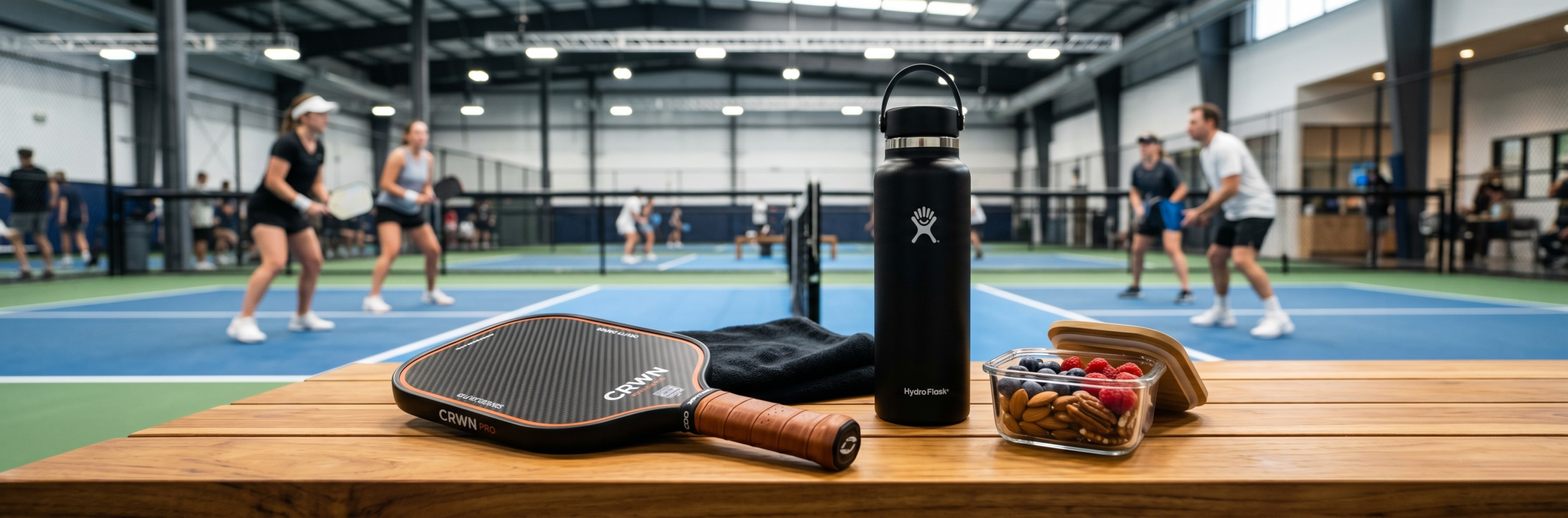
This mix of athletic output and environmental strain is especially clear in extreme climates, like the dry, intense heat of Glendale, Arizona. To meet the year-round needs of players while avoiding the dangers of the desert sun, premium indoor facilities have become the gold standard for competitive brackets. The 16-court Center Court Pickleball Club in Glendale serves as a prime example, offering a perfectly climate-controlled sanctuary with luxury recovery tools and professional lighting. However, even inside a cooled facility, the intense metabolic requirements of a long tournament day remain a massive challenge.
One of the most common issues players face during these grueling events is the dreaded “afternoon slump.” Marked by a sudden drop in energy, slower reaction speeds, and poor focus, this mid-day crash is often the deciding factor in who reaches the medal stand. Optimizing your tournament nutrition and hydration is an absolute necessity. By understanding the science behind this fatigue and applying targeted dietary fixes, players can maintain peak explosive power from their first serve to their final point.
The Biomechanics and Endocrinology of the Afternoon Slump
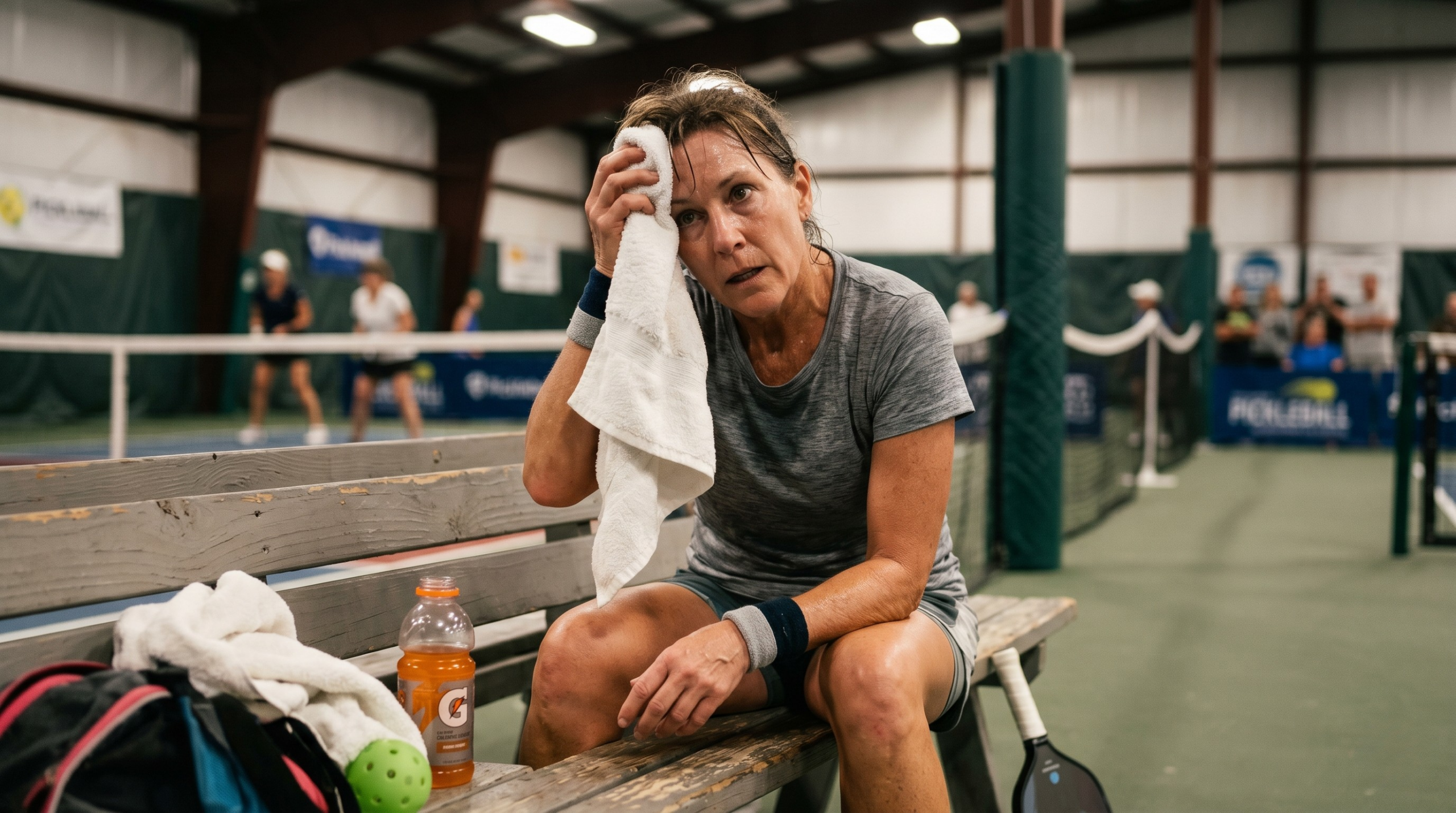
Crashing in the afternoon is not a sign of mental weakness; it is a highly predictable biological event caused by a mix of circadian rhythms, nervous system fatigue, and wild blood sugar swings. To understand how to beat the afternoon slump, we have to look at how the body manages alertness over a long day of intense exertion.
Circadian Troughs and the Autonomic Nervous System
Our internal biological clock naturally triggers a dip in alertness during the early-to-mid afternoon, usually striking between 1:00 PM and 3:00 PM. During this window, the body shifts toward a parasympathetic state, gently lowering our core body temperature and reducing the release of cortisol (our primary waking hormone). This naturally leads to feelings of sluggishness.
When you combine this natural biological dip with the extreme muscle fatigue and glycogen depletion of an all-day tournament, the effects are magnified. Players experience a noticeable drop in their fast-twitch explosiveness and the mental processing speed required to track a high-velocity ball, leading to an increase in unforced errors.
Post-Prandial Somnolence and Reactive Hypoglycemia
Dietary mistakes during midday breaks can drastically worsen this natural dip. If an athlete eats a lunch packed with simple, high-glycemic-index carbohydrates—like traditional pasta, white bread, or sugary snacks—their digestive system floods the blood with glucose. The pancreas panics and releases a massive surge of insulin to clear the sugar.
This overreaction quickly pulls too much glucose out of the blood, leading to “rebound hypoglycemia.” Because the brain runs almost entirely on circulating glucose, this sudden shortage causes extreme mental fog, dizziness, weakness, and nausea on the court.
Similarly, eating foods heavy in fats or dense fibers requires the body to work incredibly hard to digest them. The body actually diverts essential blood flow away from your working leg and arm muscles and sends it to the stomach. This vascular shift leaves players with “heavy legs” and sluggish court movement.
The Glycogen Depletion Model in Racket Sports
High-intensity pickleball rallies rely heavily on muscle glycogen for fast energy. Throughout a tournament day, the constant cycle of sprinting, jumping, and striking heavily depletes these carbohydrate reserves stored in the muscles and liver.
If these stores are not systematically refilled between matches, the body is forced to start burning fat for fuel. While fat is an abundant energy source, the chemical process required to turn it into usable energy is much slower than burning carbohydrates. The result? The athlete loses their explosive top speed and raw power.
| Physiological Phenomenon | Primary Mechanism | Impact on Pickleball Performance | Required Nutritional Countermeasure |
|---|---|---|---|
| Circadian Trough | Natural drop in cortisol and core temperature between 1:00 PM and 3:00 PM. | Decreased alertness, lethargy, slower neuromuscular response times. | Controlled caffeine dosing, dynamic warm-ups, consistent low-GI fueling. |
| Reactive Hypoglycemia | Insulin overcompensation following the ingestion of high-GI carbohydrates. | Dizziness, sudden mental fog, shaking, rapid onset of profound fatigue. | Avoidance of simple sugars during long breaks; reliance on complex, low-GI carbohydrates paired with lean protein. |
| Vascular Shunting | Blood diverted to the gastrointestinal tract to digest heavy, high-fat, or high-fiber meals. | “Heavy legs,” gastrointestinal distress, cramping, sluggish court movement. | Strict limitation of dietary fat and dense fiber 60-90 minutes prior to a match. |
| Glycogen Depletion | Exhaustion of stored carbohydrates in skeletal muscle due to repeated anaerobic output. | Loss of explosive power, inability to sustain long rallies, forced reliance on slower fat oxidation. | Systematic carbohydrate replenishment (1g/kg body weight) between matches. |
Pre-Tournament Preparation: Constructing the Nutritional Foundation
Beating the afternoon slump begins well before you arrive at Center Court Glendale. The food you eat in the 48 hours leading up to the event sets the baseline for your biological resilience on game day.
The 24-Hour Lead-Up: Glycogen Loading and Anti-Inflammatory Priming
Your primary goal before a tournament is to pack your muscles with glycogen without feeling bloated. Sports nutrition guidelines suggest your daily intake should shift to 50% to 60% complex carbohydrates, mixed with 15% to 20% lean protein, and roughly 25% healthy fats.
Because pickleball is incredibly tough on the joints, integrating anti-inflammatory foods is a major competitive advantage. Foods heavy in Omega-3s, dark leafy greens, tart cherry juice, and berries help reduce micro-inflammation before you even step on the court.
Hydration must also begin early. Relying on thirst is a terrible strategy. Athletes should aim to drink half an ounce to one full ounce of water per pound of body weight every single day in the week leading up to the bracket.
The Morning of the Tournament: Priming the System
Skipping breakfast is a guaranteed way to induce a mid-morning crash. A structured breakfast consumed two to three hours before your first serve gives your stomach enough time to empty while filling your energy tanks. Focus on complex carbohydrates and moderate lean protein, keeping fats and heavy fibers very low.
A moderate dose of caffeine from coffee or green tea can also be a fantastic tool to sharpen your focus and reaction times. However, avoid ultra-high-dose energy drinks. Taking in 300mg of synthetic caffeine at once will cause your heart rate to spike, give you the shakes during delicate dink rallies, and ensure a brutal adrenal crash later in the afternoon.
| Timing | Nutritional Objective | Optimal Macronutrient Profile | Practical Meal/Intervention Examples |
|---|---|---|---|
| 24-48 Hours Prior | Glycogen loading, systemic hydration, inflammation reduction. | 50-60% Complex Carbs, 15-20% Lean Protein, 20-30% Healthy Fats. | Salmon with quinoa and dark leafy greens; tart cherry juice; continuous water intake. |
| 2-3 Hours Prior | Liver glycogen topping, establishing baseline blood glucose. | High complex carbs, moderate protein, low fat, low fiber. | Whole-grain oatmeal with berries and walnuts; turkey sandwich on whole-wheat bread. |
| 60-90 Mins Prior | Cognitive priming, final carbohydrate loading. | 1g/kg Carbs, 0.3g/kg Protein. Minimal fat/fiber to prevent bloating. | Protein shake blended with a banana; Greek yogurt with honey. |
| 15-30 Mins Prior | Immediate neuromuscular hydration and alertness. | 6-10 oz fluid, trace simple carbohydrates, moderate caffeine. | Nuun electrolyte tablet in water; small dose of green tea extract. |
Navigating Tournament Formats: Timing Nutrition with Bracket Flow
Pickleball tournaments are notoriously unpredictable. Depending on the format—whether it’s double-elimination, progressive draw, or round-robin—your wait time between matches could be 10 minutes or two full hours. You have to adapt your fueling strategy to match these rolling windows.
The Short Window (Under 30 Minutes Between Matches)
When you are advancing quickly, your stomach simply cannot process solid, dense foods. The goal is to rapidly refill your blood sugar and electrolytes without starting heavy digestion.
- Downregulate: Sit down in a shaded or climate-controlled space. Take deep breaths to lower your heart rate and calm your nervous system.
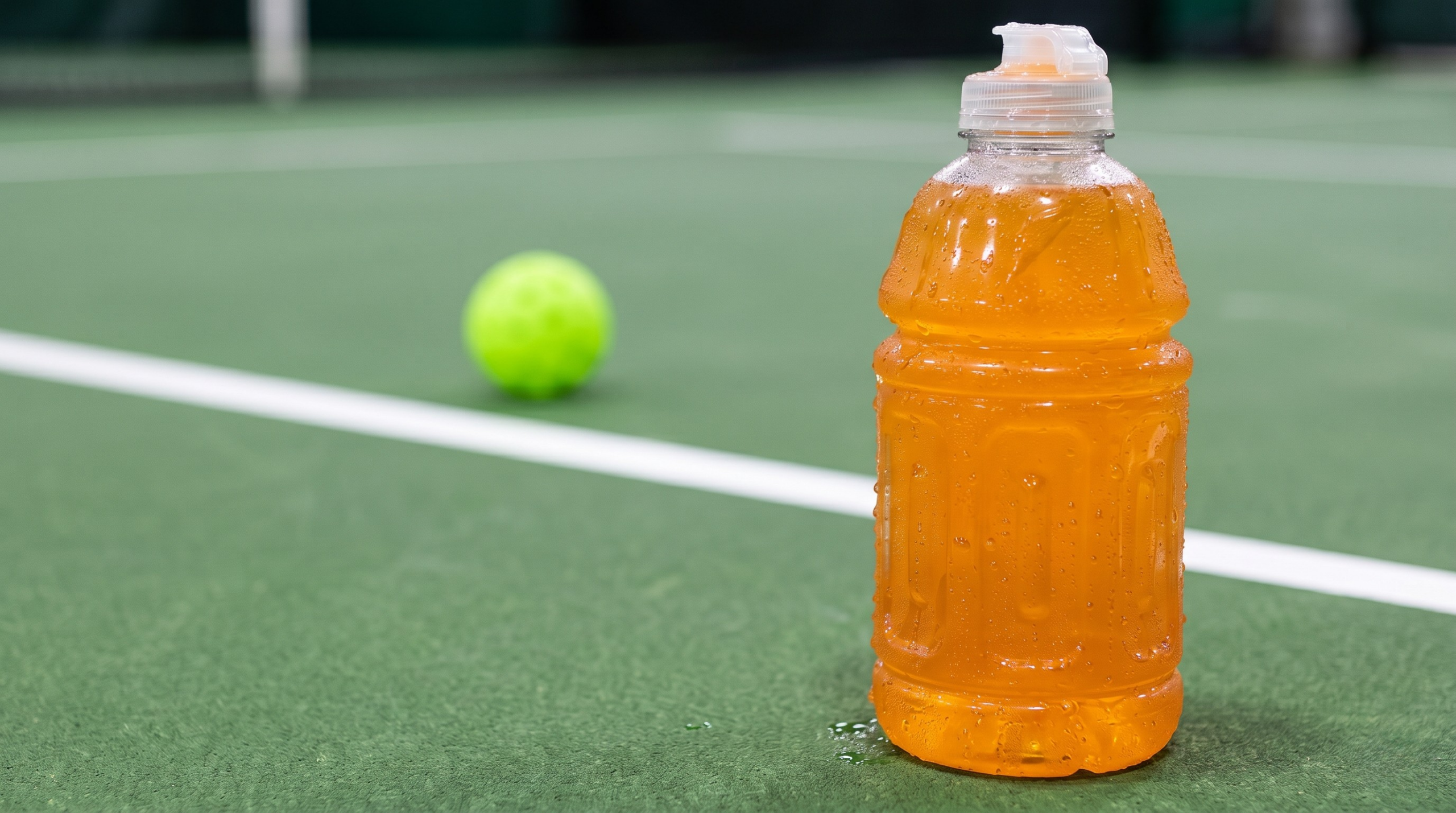
- Refuel: Use liquid nutrition or fast-absorbing simple carbs. A sports drink, an energy gel, or a few dates will quickly give your muscles the fuel they need.
- Physical Reset: Stay slightly mobile to keep your joints lubricated and prevent lactic acid from pooling in your legs.
The Extended Window (Over 60 Minutes Between Matches)
Long wait times (like waiting in the loser’s bracket) give you the perfect chance to actually repair muscle tissue and restock your deep glycogen reserves.
- Carbohydrate Replenishment: Aim for roughly 1 gram of carbohydrates per kilogram of your body weight.
- Protein Integration: A small dose of protein (0.3 grams per kg) will stop your muscles from breaking down and support the mental sharpness you need for your next game.
- Fat and Fiber Restriction: Even with an hour to spare, keep fats and fibers very low so your stomach is empty before you have to sprint again.
| Bracket Wait Time | Primary Biological Goal | Recommended Carb/Protein Strategy | Examples of Ideal Interventions |
|---|---|---|---|
| Under 15 Minutes | Immediate blood glucose stabilization, electrolyte replacement. | Simple, fast-absorbing carbohydrates; liquid form preferred. Zero fat/protein. | Sports drink, half a banana, carbohydrate gel, or Medjool dates. |
| 30 to 45 Minutes | Moderate glycogen top-off, satiety management without bloating. | Mix of simple and complex carbohydrates, very light protein. Minimal fat. | Handful of pretzels, apple slices with a light smear of nut butter, rice cakes. |
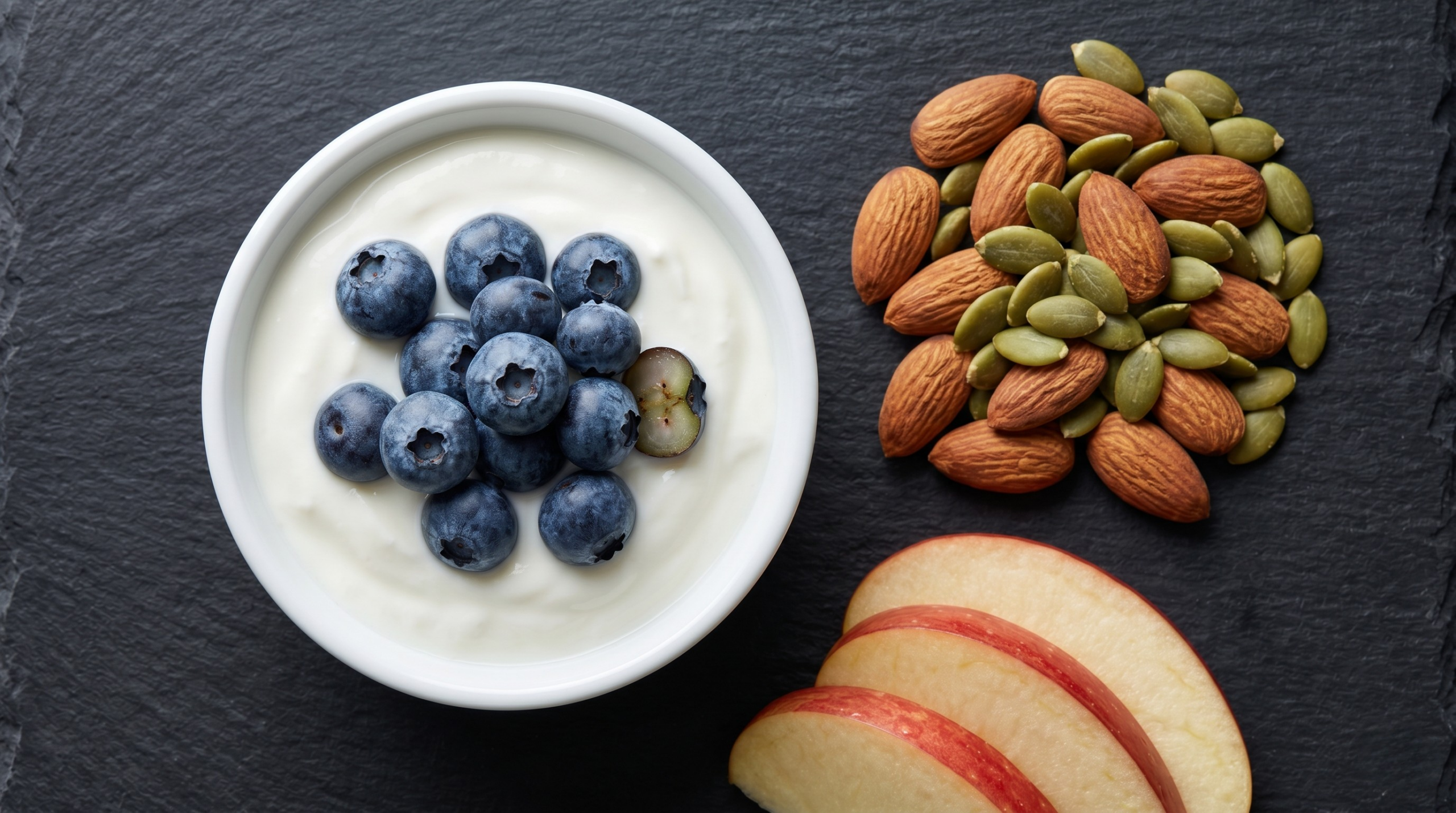
| 60 to 90 Minutes | Substantial glycogen restoration, muscle repair initiation. | Higher complex carbs, moderate lean protein. Low fat and fiber. | Turkey sandwich on whole wheat, Greek yogurt with berries, cottage cheese with pineapple. |
| Over 120 Minutes | Complete metabolic reset, full recovery, psychological break. | Balanced mini-meal. High complex carbohydrates, moderate lean protein, light healthy fats. | Chicken and brown rice bowl, pasta salad with lean protein, whole grain wraps. |
Between-Match Fueling: Utilizing Low Glycemic Index Interventions
To successfully survive the day, you must manage your Glycemic Index (GI) intake. The GI ranks foods based on how fast they spike your blood sugar. Relying on high-GI foods like candy or white bread will cause a devastating energy crash an hour later.
Your main snacks should be low-to-medium GI foods. These digest slowly, giving you a steady, reliable drip of energy into your bloodstream. This prevents insulin spikes, keeps your mood stable, and maintains the sharp focus required for intense kitchen play.
| Snack Choice | Approx. Glycemic Index (GI) | Primary Macronutrient Benefit | Performance Fit for Tournaments |
|---|---|---|---|
| Hard-Boiled Eggs | 0 | High-quality protein, zero carbohydrates. Rich in choline for cognitive function. | Ideal for satiety and muscle repair during extended bracket waits. Highly portable. |
| Hummus and Carrots | 10 to 35 | Complex carbohydrates, plant-based protein, high water content in carrots for hydration. | Excellent for sustained energy and maintaining electrolyte balance. |
| Greek Yogurt (Plain) | 11 | Dense concentration of muscle-repairing casein and whey proteins, high calcium. | Perfect for post-match recovery or long waits. Can be mixed with berries. |
| Almonds & Pumpkin Seeds | 15 | Healthy fats, sustained energy, dense in vital trace minerals (magnesium, potassium). | Superior choice for preventing muscular cramping and facilitating nerve transmission. |
| Berries (Fresh) | 25 to 40 | Low-GI carbohydrates, extremely high in antioxidants and water content. | Provides a light, refreshing energy source without bloating. |
| Air-Popped Popcorn | 55 | Whole-grain complex carbohydrates, relatively low in calories. | When lightly salted, provides a satiating carbohydrate source that replenishes lost sodium. |
Hydration Protocols: Combating the Climate and Indoor Exertion
In places like Arizona, where temperatures routinely soar past 100 degrees, hydration is not just about performance—it is a critical safety issue. While premium indoor facilities like Center Court shield you from the baking sun, players dangerously underestimate indoor dehydration. Air-conditioned, low-humidity spaces rapidly accelerate fluid loss through breathing and invisible sweat evaporation, often drying you out before you even feel thirsty.
The Physiological Consequences of Dehydration
When you lose just 1% or 2% of your body weight to sweat, your blood actually becomes thicker. Your heart has to beat much faster just to pump this thick blood to your muscles. This cardiovascular strain makes every single lunge feel exhausting.
Mentally, severe dehydration slightly shrinks brain tissue, causing headaches, irritability, and a massive drop in visual tracking skills. If not fixed quickly, athletes can progress into very dangerous stages of heat illness.
| Stage of Heat Illness | Defining Physiological Warning Signs | Underlying Physiological Mechanism | Required Emergency Action |
|---|---|---|---|
| Exercise-Associated Muscle Cramps | Involuntary, excruciating spasms in the calves, hamstrings, or abdomen. | Localized dehydration and profound sodium/potassium loss at the neuromuscular junction. | Cease activity, stretch gently, immediately ingest high-sodium fluids and electrolytes. |
| Heat Syncope (Fainting) | Extreme dizziness, tunnel vision, pale skin, eventual loss of consciousness. | Peripheral vasodilation combined with low blood volume, reducing cerebral perfusion. | Move to a supine position (lie down), elevate legs to restore blood flow to the brain, rehydrate. |
| Heat Exhaustion | Heavy sweating, extreme fatigue, nausea, cold/clammy skin, weak/rapid pulse, core temp rising. | Cardiovascular system bordering on failure due to extreme fluid volume depletion. | Move to air-conditioning, loosen clothing, apply cold compresses, seek medical evaluation if symptoms persist. |
| Exertional Heat Stroke | Confusion, seizures, hot/dry/red skin, cessation of sweating, dangerously high core temp. | Complete thermoregulatory failure; central nervous system dysfunction and impending multi-organ failure. | Absolute medical emergency. Call 911. Initiate rapid total-body cooling immediately. |
The Blueprint for Tournament Hydration
Athletes must execute a rigorous, non-negotiable hydration protocol structured around distinct temporal phases to prevent crashing.
| Hydration Phase | Recommended Fluid Volume | Primary Objective and Strategy |
|---|---|---|
| Pre-Tournament (2-3 hours prior) | 16 to 24 ounces | Establish baseline cellular hydration. Allows adequate time for absorption and elimination of excess fluid via urination. |
| Pre-Match (10-20 mins prior) | 6 to 10 ounces | Top off circulating fluid volumes immediately before intense sweating begins. |
| In-Match (Every 15-20 mins) | 4 to 8 ounces | Match fluid intake closely with active sweat loss rates. Utilize every timeout and side-change to sip; avoid chugging to prevent GI sloshing. |
| Post-Match Recovery | 16 to 24 ounces per pound of body weight lost | Total rehydration. Athletes must weigh themselves before and after play to accurately calculate specific fluid deficits. |
The Crucial Role of Electrolyte Supplementation
Drinking pure water all day without replacing your electrolytes will dangerously dilute your blood sodium levels. Sweat contains massive amounts of sodium, potassium, magnesium, and calcium. These minerals are the biological spark plugs that tell your muscles to contract and your brain to fire. Without them, your body seizes up in cramps. Supplementing with high-quality electrolyte powders like Liquid I.V., LMNT, or Nuun is highly recommended to stay balanced.
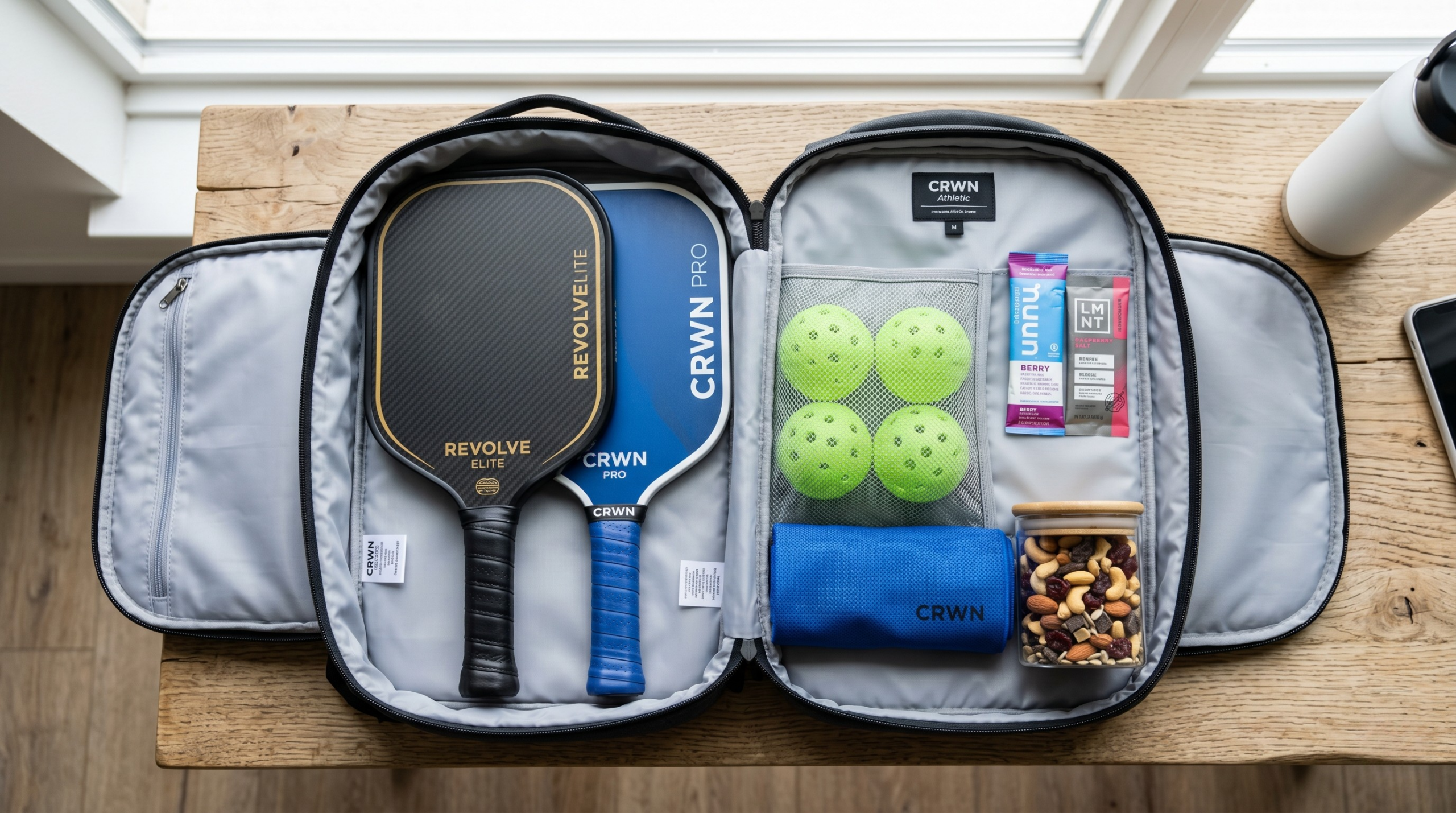
Packing the Ultimate 2026 Pickleball Tournament Bag
A flawless nutrition strategy requires preparation. Professional athletes treat their tournament bag like a mobile command center.
| Packing Category | Essential Items | Strategic Purpose for Tournament Success |
|---|---|---|
| Hardware & Gear | 2+ Paddles, fresh unused balls, dedicated court shoes, backup transit shoes. | Ensures equipment failures do not result in forfeits. |
| Apparel & Comfort | Multiple fresh shirts, extra socks, cooling towels, light jacket. | Managing sweat accumulation is critical for psychological comfort and preventing blisters. |
| The Nutrition Arsenal | Ziploc bags of trail mix, jerky sticks, carbohydrate gels, Medjool dates, small cooler with a sandwich. | Provides immediate access to low-GI snacks for extended waits, and fast carbs for short breaks. |
| Hydration Command | Minimum 2 large insulated water bottles; pre-mixed electrolyte powders. | Ensures athletes can execute the strict hydration protocol without leaving the court. |
| Medical & Maintenance | Basic first-aid, blister care, extra grip tape, muscle rub. | Combats sweaty paddle handles and manages minor acute injuries. |
The Center Court Experience: Integrating Infrastructure and Recovery
The theoretical application of advanced sports nutrition is drastically enhanced when supported by premium athletic infrastructure. The 16-court Center Court Pickleball Club in Glendale, AZ, was engineered specifically to support these exact recovery protocols, providing players with luxury showers, advanced wellness areas featuring HydroMassage, and a self-serve beverage wall to ensure you stay fueled and fresh all day long.
Conclusion
The afternoon slump is not an inevitable curse; it is a manageable physiological state. By adopting a proactive approach to your nutrition—loading complex carbs beforehand, timing your low-glycemic snacks to the bracket breaks, and maintaining a relentless hydration schedule—you can effectively dismantle this barrier. Treat your diet as a weapon just as important as your third-shot drop, and you’ll find yourself standing sharp and explosive on the medal stand.